
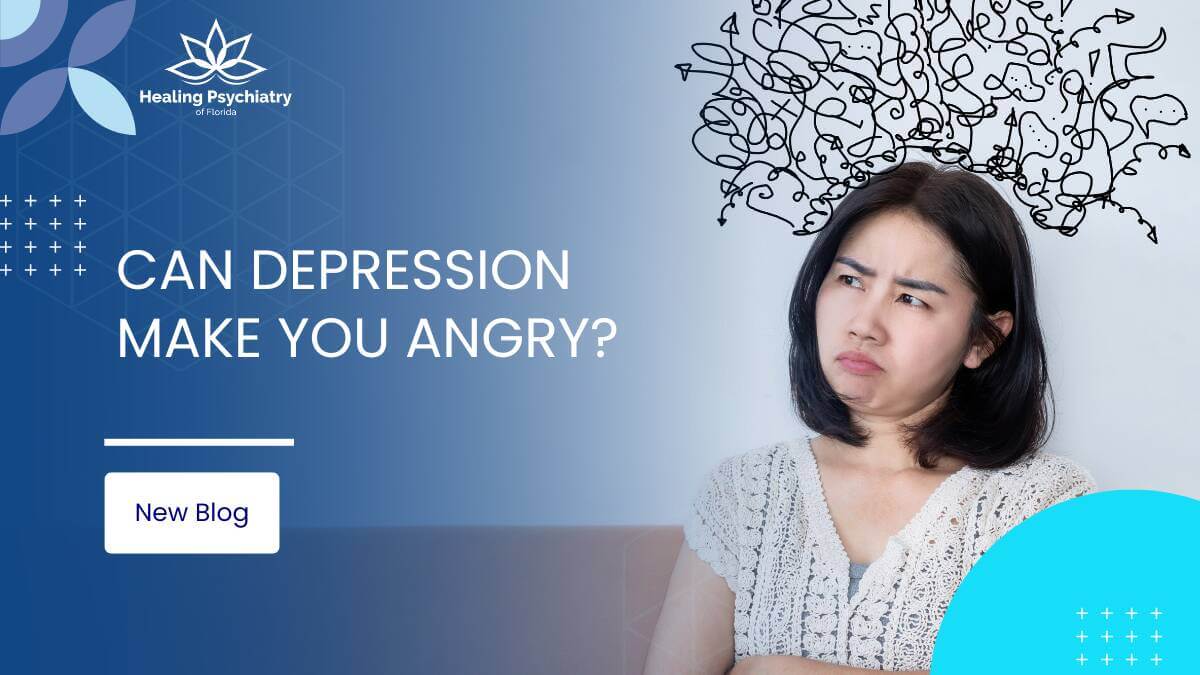
I remember the first time a client asked me, “Can depression make you angry?” It caught me off guard—not because I didn’t know the answer, but because it’s a question we don’t talk about enough. Depression often gets painted as quiet sadness or emotional withdrawal, but it can also ignite a burning anger. This anger isn’t always loud or dramatic; sometimes, it’s a low simmer, barely noticeable to others but deeply consuming for the person experiencing it.
If you’ve felt an intense wave of anger—at yourself, others, or the world—while also battling severe depression or even a major depressive disorder, you’re not alone. This guide will help unpack the connection between depression and anger, the impact on your mental health, and what to do to find relief. Let’s get into it.
Is Anger a Symptom of Depression?
Yes, anger can be a symptom of depression, although it’s less commonly recognized in mood disorders than sadness or fatigue. Research from Child and Adolescent Psychiatric Clinics of North America shows that anger and irritability are more connected to depression than most of us realize. Think of irritability as the lesser-known cousin of sadness in depression—it’s there, but it doesn’t always get the attention it deserves.
Chronic irritability, the kind that sticks around like an unwelcome houseguest, is a big predictor of future depression. On the flip side, episodic irritability pops up as sudden mood shifts during a depressive episode.
Why does this matter? Recognizing irritability as part of depression—not just as a bad mood or temper helps people get the right kind of support. If this sounds familiar to you or someone you know, it’s worth digging a little deeper into what’s really going on.
How Does Depression Cause Anger?
Depression causes anger by disrupting emotional regulation. When you’re depressed, your brain struggles to process negative emotions like sadness or shame. This can lead to a buildup of unresolved anger, known as suppressed anger, which may eventually spill out as irritability, angry outbursts, or even physical aggression.
A study from Harvard Medical School found that people with depression and anger symptoms often have higher levels of trait anger—an ongoing tendency to feel angry—compared to those with depression alone. This means depression not only amplifies emotional pain but also reduces your ability to manage feelings constructively.
What Are the Signs of Depression-Related Anger?
Depression-related anger doesn’t always stay internal; it can sometimes erupt as verbal and physical aggression. For example, you might find yourself yelling during an argument over something trivial, or slamming doors out of frustration. These episodes of aggression are often disproportionate to the situation and stem from the underlying emotional turmoil caused by depression. Here’s how it might look, along with some examples you might recognize:
- Irritable Mood: Have you ever snapped at someone for asking a simple question, like “What’s for dinner?” Maybe the sound of someone chewing suddenly feels like nails on a chalkboard. These minor annoyances are magnified when depression is in the background.
- Anger Outbursts: Picture this—you’re stuck in traffic, and someone cuts you off. Instead of shrugging it off, you slam your hands on the steering wheel and shout, “Are you kidding me?” These sudden bursts of anger are disproportionate but are often tied to deeper emotional pain.
- Persistent Anger: This isn’t the quick flare-up kind. Persistent anger feels like carrying a heavy backpack of frustration everywhere you go. For instance, you might find yourself replaying a disagreement with a coworker over and over in your head, unable to let it go for days.
- Self-Directed Anger: Maybe you’re constantly telling yourself, I should have done better, or I’m such a failure. This internal dialogue spirals into harsh self-criticism, leaving you feeling trapped in a cycle of guilt and anger at yourself.
- Physical Symptoms: Sometimes, your body speaks for your emotions. Maybe you notice your shoulders are always tense, or you frequently get headaches after particularly frustrating days. An increased heart rate or clenched fists might also give away your hidden anger.
If any of these scenarios hit close to home, it’s worth exploring whether depression could be fueling these feelings. Anger isn’t just a reaction; it’s often a signal from your mind and body that something deeper needs attention.
How Does Anger Affect Mental Health?
Unchecked anger doesn’t just affect your mood at the moment—it ripples through your mental health and daily life in surprising ways. Here’s how it might show up, with some relatable examples:
- Worsening Depressive Symptoms: Imagine this—you’re already feeling down, and then you lash out at someone close to you. Afterward, you might think, Why did I say that? or I’m such a terrible person. This frustration deepens the hopelessness that depression thrives on, creating a vicious cycle.
- Strained Relationships: Have you ever had a heated argument with a friend or partner, and afterward, the silence between you felt unbearable? Maybe a coworker has started avoiding you after you snapped at them during a meeting. These moments that affect your personal and professional relationships leave you feeling isolated and misunderstood, making depression even harder to cope with.
- Physical Health Issues: Chronic anger doesn’t just stay in your head—it takes a toll on your body, too. For instance, constant stress from anger might leave you with tight shoulders, unexplained headaches, or trouble sleeping. Over time, this tension increases the risk of more serious issues, like high blood pressure or heart problems.
- Increased Risk of Anxiety Disorders: Picture this—you’re already feeling irritable, and then the anxiety creeps in: What if I lose control again? Or: What if people think I’m difficult? A study by the Mental Health Foundation highlights that people experiencing both depression and anger are more likely to develop anxiety or even panic attacks, compounding the emotional strain.
The good news? Addressing the underlying causes of your anger will help you break free from this cycle. Whether through therapy, mindfulness, or simply reaching out for help, there are ways to regain control and protect your mental well-being.
Why Is Anger in Depression Often Overlooked—and Can Suppressing It Make Things Worse?
Anger and depression might seem like an odd pairing, but they’re often deeply connected. The problem is that anger in depression doesn’t fit the typical image many of us have—it’s not just about “feeling sad.” Because of this, anger often gets swept under the rug, both by those experiencing it and sometimes even by mental health professionals. People struggling with depression symptoms may feel ashamed of their anger, thinking it’s “wrong” or out of place, so they bury it instead of seeking support. On the other hand, therapists might focus more on the classic symptoms of a depressed mood, like fatigue, missing the unresolved anger simmering beneath the surface.
But here’s the kicker: suppressing anger doesn’t make it go away. In fact, it can make things worse. The Diagnostic and Statistical Manual of Mental Disorders (DSM-5) points out that emotional suppression often feeds into depressive disorders. Think about it—bottling up anger creates a cycle of negativity. You might start with mild frustration, but without an outlet, that frustration grows into excessive anger, self-criticism, or even feelings of helplessness. Over time, this emotional buildup can deepen depression and leave you feeling stuck in a loop of unresolved pain.
Acknowledging and addressing anger isn’t about blaming yourself or others; it’s about breaking that cycle. Whether through therapy, journaling, or simply opening up to someone you trust, finding healthy ways to express anger can be a key step toward healing.
How Can You Manage Anger Related to Depression?
Managing anger attacks tied to depression isn’t just about calming down in the heat of the moment—it’s about creating a plan to address both the immediate reactions and the deeper emotions fueling your anger. Here are some practical approaches, with real-life examples to help you understand how they work:
- Practice Deep Breathing: When you feel like you’re about to explode, try this simple trick: inhale for four counts, hold for four, then exhale for four. For example, if your heart starts racing because your partner forgot something important, this method will help you pause and respond calmly rather than reacting impulsively.
- Try Progressive Muscle Relaxation (PMR): Ever notice how your shoulders creep up to your ears when you’re angry? PMR does help. Start by tensing and relaxing muscle groups one at a time—like clenching your fists, holding for a few seconds, then letting go. This can be a game-changer when dealing with tension after a frustrating workday.
- Engage in Cognitive Behavioral Therapy (CBT): CBT can help you tackle thoughts like, “Why does this always happen to me?” A therapist might guide you to reframe these patterns into something more constructive, like, “This situation is frustrating, but I can handle it.” Over time, this mindset shift will reduce the emotional intensity of anger-provoking situations.
- Develop Self-Compassion: Imagine you’re beating yourself up for snapping at a friend. Instead of spiraling into guilt, remind yourself: “I’m human, and everyone has tough days.” Self-compassion doesn’t erase mistakes, but it helps you move forward without being stuck in self-directed anger.
- Exercise Regularly: Have you ever gone for a run or hit the gym after a heated argument? Exercise releases endorphins, which naturally boost your mood and reduce anger. Even a quick 20-minute walk works wonders when you’re feeling stuck in a loop of frustration.
- Work With a Mental Health Professional: If your anger feels overwhelming—like snapping at loved ones or lashing out in ways you regret—therapy is key. For example, a counselor might help you uncover unresolved anger from past experiences and teach you how to express it in a healthier way, like through journaling or setting boundaries.
Remember, feeling angry doesn’t make you a bad person—it’s just a signal that something deeper needs attention. If your emotions feel too big to handle alone, reaching out to a therapist is a great first step toward gaining control and finding relief.
When Should You Seek Professional Help?
Are You Experiencing Depression-Related Anger? Find Out. You should seek professional help if your anger disrupts daily life, harms relationships, or leads to thoughts of self-harm. A mental health professional provides a safe space to explore your emotions and offers evidence-based tools like interpersonal therapy or antidepressant medication to reduce depressive symptoms.
At Healing Psychiatry of Florida, our team specializes in treating depression and its related symptoms, including anger. Whether you’re dealing with mild irritability or intense anger, we’re here to help you find peace and regain control over your emotions.
Conclusion: Turning Anger Into a Path to Healing
Acknowledging your anger isn’t about blame or failure—it’s about recognizing that your emotions are signals, not flaws. Anger tied to depression is a natural response to pain, but it doesn’t have to control your life. By taking steps to address both your anger and its deeper roots, you’re opening the door to emotional relief and healthier connections with yourself and others.
You’re not alone in this journey. Whether it’s through breathing exercises, therapy, or reaching out for professional guidance, there are paths to turn your anger into a tool for growth rather than a weight holding you back. Remember, healing starts with small but meaningful steps.
Ready to Take the First Step Toward Relief?
You don’t have to face depression and anger on your own. Learn more about our psychiatric services, including treatment for anxiety and related emotions, and take the first step toward emotional well-being today. Together, we’ll help you transform your struggles into positive change.
Helpful Resources to Start Your Journey
Healing Psychiatry of Florida offers a range of services to help you address depression and its related symptoms, including anger. Explore these helpful blogs and service pages to learn more:
- Understanding Suicidal Thoughts: A compassionate guide for navigating tough emotions.
- Types of Anxiety Disorders: Learn about the symptoms and treatments for anxiety that may accompany depression.
- Medication Management in Altamonte Springs: Discover how personalized medication plans can support your mental health journey.
- Depression and PTSD Treatment in Altamonte Springs: Explore specialized care for depression and trauma.