
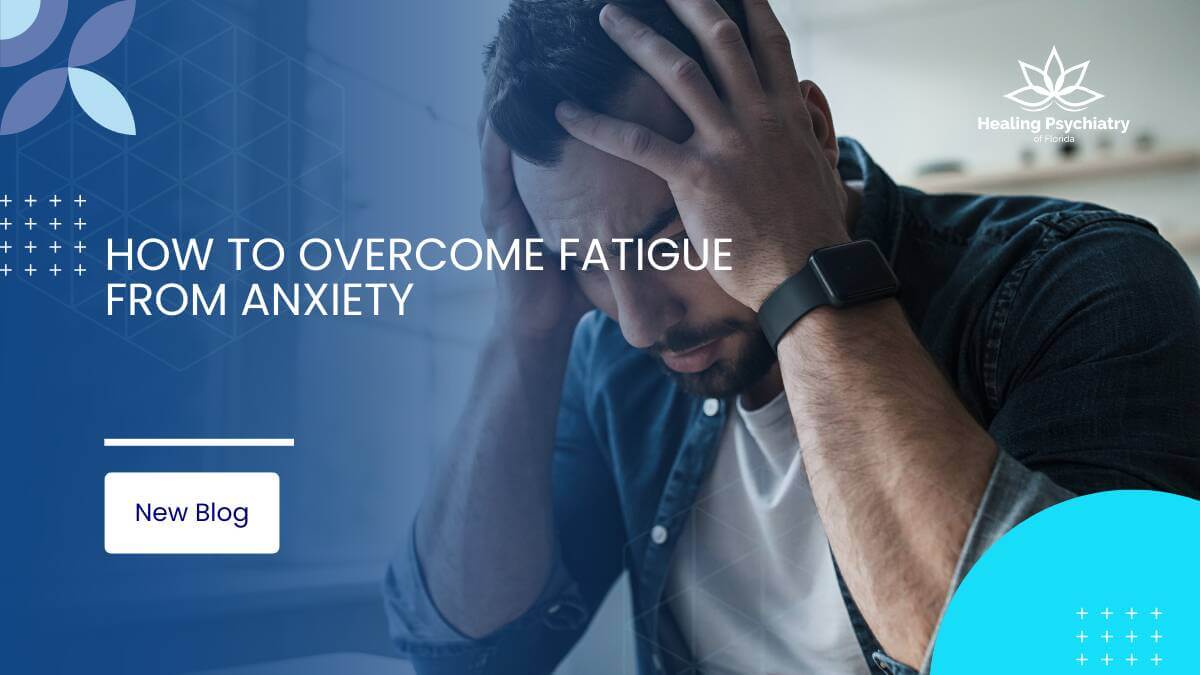
Have you ever had one of those days when you’re so tired that even simple tasks feel like a big challenge? You’re not alone. Many people battling anxiety experience profound fatigue that does more than just tire the body—it drains the spirit. This isn’t just about feeling sleepy after a poor night’s rest; it’s a pervasive weariness that will cloud every action and decision.
Feeling drained? Anxiety might be the culprit. As fatigue sets in, worry about meeting daily obligations intensifies. This heightened stress further saps your energy. It creates a cycle of exhaustion, constant worry and anxiety. This, in turn, leads to greater fatigue. It’s important to understand that while anxiety is primarily a mental health issue, its effects are physical. Today, we’re going to explore effective strategies that not only ease this fatigue but also empower you to reclaim the energy stolen by anxiety.
What Is Anxiety-Induced Fatigue?
What exactly is anxiety-induced fatigue? It’s a lesser-known but highly impactful symptom of anxiety that extends beyond typical tiredness. This anxiety fatigue is deep-seated, affecting individuals at both physical and emotional levels.
- How Anxiety Fatigue Differs From Everyday Tiredness: Anxiety-induced fatigue is different from normal fatigue because it doesn’t always stem from physical exertion and isn’t always relieved by rest. Fatigue can really impact your daily life. It might make even the easiest tasks feel like a lot of work. It feels like your energy is always out of reach, and that’s completely understandable.
- Recognizing Symptoms of Anxiety Fatigue: Those experiencing this type of fatigue often report a range of symptoms, including:
- Extreme Fatigue: An intense, sudden feeling of tiredness that happens without warning.
- Sleep Disturbances: Difficulty falling asleep, staying asleep, or experiencing non-restorative sleep.
- Muscle Tension: Constant tension in the body, which contributes to feeling tired.
- Brain Fog: Difficulty concentrating, remembering details, or making decisions.
- Physiological Responses: Understanding the fight or flight response really helps us see how anxiety affects our energy levels. This response prepares our bodies to either confront a challenge or run away from it. When we feel anxious, this response kicks in more often, causing our bodies to work extra hard, Which leads to what we call adrenal fatigue. In this state, our stress hormones stay on high alert, which leaves us feeling both tired and restless. By recognizing this, we find ways to manage our anxiety and restore our energy.
What Science Reveals About Anxiety and Chronic Fatigue
To better understand how anxiety affects fatigue, and sleep difficulties let’s take a look at some important research findings. These studies show how mental stress and physical tiredness are connected:
- Chronic Stress and Sleep Quality: Research from the Journal of Sleep Research shows that chronic stress can really affect our sleep. This is known as “sleep reactivity.” Some people find that stress affects their sleep more than others.
Some people may feel more sensitive to stress, affecting their sleep. This sensitivity can come from genetics, the environment, or past experiences with sleep problems. For those who are more vulnerable, stress leads to serious sleep issues like insomnia, which makes it hard to get a good night’s rest. By exploring the genetic factors related to anxiety, we gain helpful insights into how to manage these challenges effectively. For more information on the genetic basis of anxiety, visit Is Anxiety Genetic? - Anxiety Disorders and Physical Symptoms: Research from the American Journal of Psychiatry shows that people with Generalized Anxiety Disorder (GAD) often face physical symptoms, such as higher blood pressure and adrenal fatigue. It’s important to notice these symptoms because they can greatly impact a person’s energy and well-being. By learning how these symptoms relate to GAD, we can find better ways to support those who are dealing with it.
For more detailed information on symptoms and treatment options for various types of anxiety disorders, visit Types of Anxiety Disorders: Symptoms and Treatment Options. - Psychological Effects of Long-term Anxiety: An article in Psychology Today shares that long-lasting anxiety can really take a toll on our energy levels, both physically and mentally. When we feel anxious all the time, it wears us out and makes us feel exhausted. This fatigue affects many areas of our lives.
It’s important to find ways to manage anxiety so we feel more energized and engaged in our daily activities. For strategies on how to self-regulate and manage anxiety, visit How to Self-Regulate Anxiety.
These studies encourage us to view anxiety as more than just a common symptom of an emotional challenge. They invite us to think about it as a broader condition that benefits from careful and thoughtful management strategies.
Proven Strategies to Overcome Anxiety-Induced Fatigue
Addressing anxiety-induced fatigue requires a multifaceted approach. Here are some effective strategies designed to help you regain your energy, manage fatigue, and improve your overall well-being:
- How to Improve Sleep Hygiene for Anxiety Fatigue Relief:
- Regular Sleep Schedule: Try to go to bed and wake up at the same time each day. This helps your body know when it’s time to rest and when it’s time to be awake.
- Optimal Sleep Environment: To create a cozy sleeping environment in your bedroom, try to keep it cool, quiet, and dark. If you find it helpful, you might want to use white noise machines or blackout curtains. These small changes make a big difference in your sleep quality!
- Pre-sleep Routine: Try creating a relaxing pre-sleep routine! You could include activities like reading a good book, doing some gentle yoga, or practicing meditation. These will help your body know that it’s time to unwind and prepare for a restful night.
- Energy-Boosting Diets and Exercises for Anxiety:
- Balanced Diet: Include a balanced diet rich in vegetables, fruits, whole grains, and lean proteins to boost energy. Avoid high-sugar and high-fat foods, which lead to energy crashes.
- Regular Exercise: Participate
- Moderate exercise, such as walking, cycling, or swimming, for at least 30 minutes a day to enhance your mood and energy levels.
- Relaxation Techniques That Combat Fatigue from Anxiety:
- Progressive Muscle Relaxation: Give progressive muscle relaxation a try! This technique can help ease muscle tension and body aches, making you feel more relaxed and comfortable. For a guided experience, check out this YouTube video on progressive muscle relaxation, which provides step-by-step instructions to help you effectively release stress from your body.
- Deep Breathing Exercises: Take a moment to practice deep breathing exercises. They help with stress and promote a sense of calm, leading to better sleep and less anxiety. For a guided deep breathing session, watch this YouTube video that demonstrates effective techniques to help you relax and improve your breathing patterns.
- When to Seek Professional Help for Anxiety Fatigue:
- Connect with Healthcare Providers: Regular visits to your healthcare professionals are a great way to identify any medical issues that might be causing your fatigue. They’ll help you feel your best! For expert guidance and support in managing anxiety-related issues, explore the services offered by Healing Psychiatry of Florida.
- Explore Talk Therapy: Cognitive-behavioral therapy (CBT) and other therapy types might be helpful for you. They guide you in managing anxiety and reducing fatigue by helping you change your thoughts and actions. Discover more about how CBT can help you by visiting CBT Services at Healing Psychiatry of Florida.
Using these strategies in your daily life can really help you manage and reduce the fatigue that comes with anxiety. Focus your mental energy on building a supportive environment that boosts both your mental and physical health.
How Medication Helps Manage Anxiety-Driven Fatigue
Making lifestyle changes and seeking therapy are important steps in managing anxiety. At the same time, medication can sometimes be a great tool. Combining these approaches can lead to a better balance and more comfort in daily life.
If you’re thinking about medication as an option, it’s a good idea to seek advice from a professional. They can help you find the treatment plan that works best for you. Learn more about personalized medication management services and how they will help in effectively controlling anxiety symptoms by visiting Medication Management at Healing Psychiatry of Florida.
Understanding the Overlap: Anxiety, Fatigue, and Depression
Anxiety already makes daily life challenging, and untreated, it sometimes leads to more serious mental health conditions, like depression. The ongoing stress and tiredness from anxiety make it hard for someone to enjoy everyday activities. This creates feelings of sadness or hopelessness, which are signs of other symptoms of depression.
Recognizing how anxiety can develop is important. It helps us take action early and prevent further issues. For comprehensive support and treatment options that address both anxiety and depression, explore our specialized services here.
Managing Sleep Disorders to Reduce Anxiety Fatigue
Anxiety affects how we sleep. It causes problems like insomnia and makes our sleep cycles irregular. It’s important to take care of these sleep issues. By doing so, we reduce anxiety symptoms and avoid other problems that come from not getting enough sleep.
To learn more about how sleep disorders associated with anxiety are treated and what strategies help in restoring healthy sleep patterns, visit our Sleep Disorders Service. Our experts specialize in a range of treatments tailored to improve sleep quality and overall physical and mental energy and health.
How to Make Sustainable Lifestyle Changes for Anxiety Relief
It’s important to know that making changes to manage anxiety-related fatigue doesn’t happen overnight. Here are some helpful tips to make these strategies a part of your everyday routine:
Small Steps to Big Anxiety Relief:
- Begin with manageable changes, such as adjusting your bedtime by a few minutes earlier each night or introducing a 10-minute walk into your day. Small successes will motivate bigger changes.
- Monitor Progress:
- Keep a journal or use an app to track your sleep patterns, diet changes, exercise, and how you feel each day. Monitoring helps you see what works, what doesn’t, and how your body responds to different strategies.
- Digital Tools for Tracking and Improvement:
Writing in a journal or using a digital app to keep track of your sleep, diet, exercise, and feelings can be very helpful. It’s a great way to learn more about your daily habits. Here are some friendly suggestions for apps that can assist you in monitoring and understanding your routines:- MyFitnessPal – Excellent for tracking dietary habits and exercise. It features a comprehensive database for food logging and nutritional insights.
- Sleep Cycle – This app analyzes your sleeping patterns and uses smart algorithms to wake you up at the most optimal time, enhancing your morning routine.
- Daylio – A user-friendly mood-tracking app that helps you effortlessly maintain a private journal, capturing your mood swings and daily activities.
- Headspace – Provides guided meditations, sleep stories, and exercises for mindfulness, aiding in stress management and improving sleep quality.
- Calm – Focuses on meditation and relaxation, featuring sleep stories, music, and breathing exercises to help you unwind and get better sleep.
- Using these apps will help you learn what works best for your body and mind. This knowledge can guide you to make positive changes that improve your overall well-being.
- Why Patience is Key in Overcoming Anxiety Fatigue:
- Change takes time, especially when managing anxiety. Be kind to yourself and remember that progress happens in small steps and may not always be in a straight line. Keep using your strategies; every effort counts, even if you don’t see quick results.
- Finding the Right Support System for Anxiety:
- You don’t have to face this alone! Reach out to your friends, family, or support groups who can relate to your experience. Talking about your journey with others can bring you encouragement and help keep you on track.
- Adjust as Needed:
- As you discover what helps reduce your fatigue, please feel free to change your strategies. Being flexible is important in finding what works best for you!
By making these changes in your daily routine, you will ease the fatigue that comes with anxiety. You’ll also boost your overall quality of life, allowing quality rest for each day to feel brighter and more rewarding.
Conclusion
Overcoming fatigue from anxiety is about more than just managing symptoms. It’s also about finding the energy and joy in life that anxiety hides. Today, we talked about some helpful strategies, like getting better sleep and considering professional therapy, that will all make a difference. Remember, you’re not alone in this journey. It’s perfectly okay to reach out for support as you work through these challenges.
While integrating these strategies into your daily routine, remain patient and hopeful. Change is a gradual process, and every small step forward is a victory against anxiety. If you find yourself struggling or if you need more personalized guidance, don’t hesitate to reach out.
Are you ready to take the next step towards a more energetic and fulfilling life?
Visit Healing Psychiatry of Florida to learn more about how we can help. Whether you’re looking for professional advice, need to discuss treatment options underlying medical condition, or simply want to talk, our doors are always open. Start your journey to recovery today by contacting us or learning more about us. Your path to better health and increased vitality is just a conversation away.