
Children’s Therapy for Screen Time Dependence
Helping Kids and Teens Reduce Problematic Screen Use, Reconnect with Daily Life, and Regain Control Over Technology.
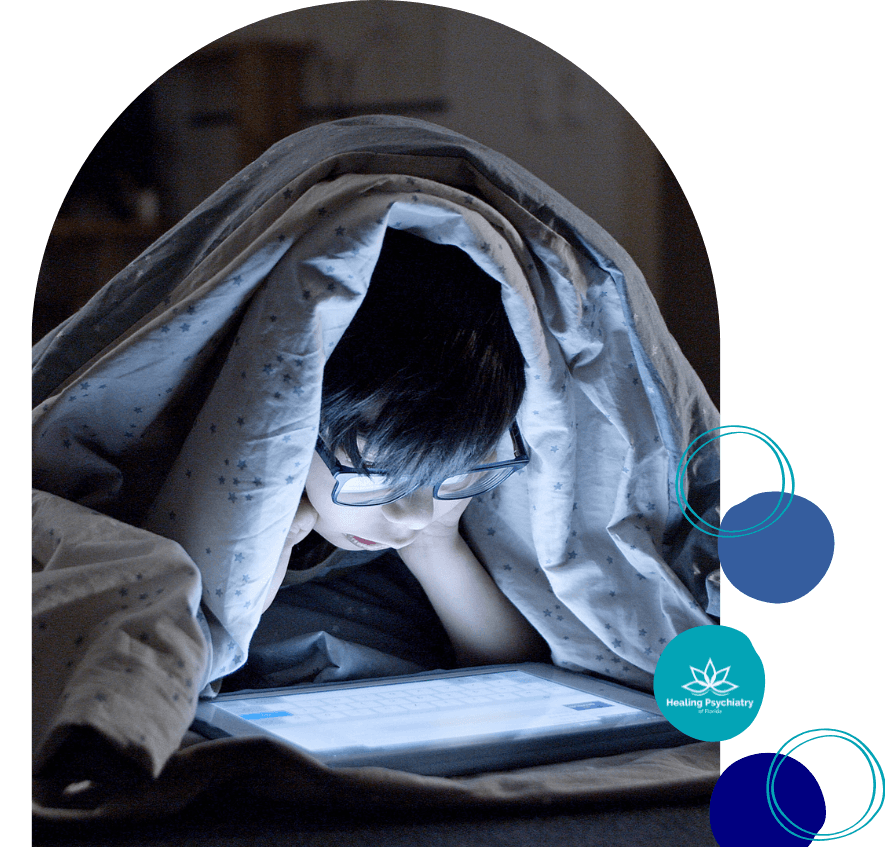
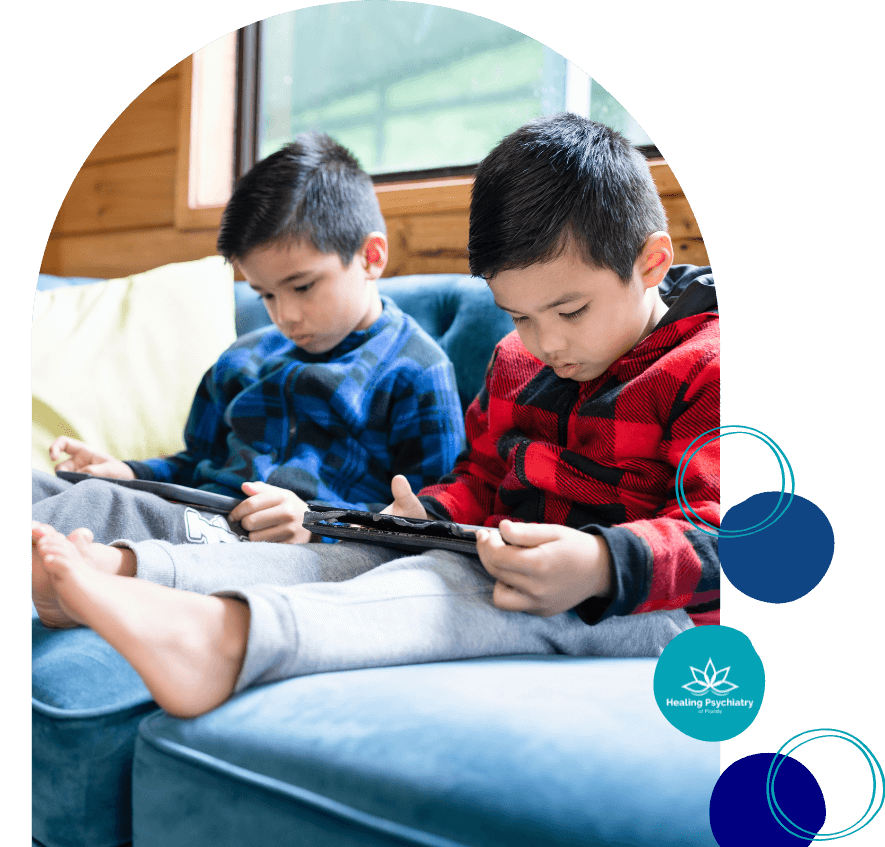
Today’s children are growing up with screens in hand—and sometimes, it’s more than a habit. When a child’s screen use begins to interfere with school, sleep, family routines, or social relationships, it may signal something deeper. Excessive screen time, screen addiction, and compulsive behavior on phones, video games, or social media platforms can lead to mood shifts, irritability, or emotional withdrawal. Some kids struggle to stop. Others hide their screen activities or react intensely when asked to limit screen time. These are not just habits—they may reflect a form of addictive behavior.
At Healing Psychiatry of Florida, our children’s therapy for screen time dependence helps kids, teens, and older children develop balance, insight, and regulation. We treat behaviors linked to problematic smartphone use, internet gaming disorder, and excessive engagement in the online world. Our goal is not to remove technology—but to give the child tools to manage it.


Start Your Session Today
What Children’s Therapy for Screen Time Dependence Focuses On
Children’s therapy for screen time dependence is designed to treat the behavior, not blame the device. We look at how technological devices, screen media, and screen use interact with mood, attention, and emotional regulation. The goal isn’t punishment—it’s to help the child build skills for managing cravings, boredom, and stress in healthier ways. Whether the issue is compulsive internet scrolling or long-term gaming, therapy targets what’s underneath the screen: disconnection, anxiety, or unmet emotional needs.
When Phones and Tablets Start Controlling Daily Life
When a child’s screen time leads to significant changes in mood, behavior, or focus, it’s time to take a closer look. Signs include always having their eyes glued to cell phones, avoiding physical activity, or growing irritable when asked to disconnect. These patterns may negatively affect routines like dinner table conversations, schoolwork, and sleep. We help children reduce reliance on screens while building awareness around time, presence, and regulation.
Screen Addiction Through Social Media and Smartphone Use
Many kids feel emotionally tethered to the online world—especially through social media. Hours spent scrolling social media platforms can lead to comparison, anxiety, or mood shifts that affect psychological well-being. Some children begin to hide usage or experience panic when offline. Therapy helps them understand the emotional function of this attachment and creates structure for healthier interaction with digital space.
Video Game Addiction and Internet Gaming Disorder
For some kids, the problem is more than just a love of games. Video game addiction and internet gaming disorder may involve isolation, irritability, or extreme reactions when screen time is interrupted. These patterns may be connected to underlying issues like anxiety, perfectionism, or social avoidance. Therapy offers a clear response—helping the child regain control while building confidence and flexibility in the face of change.
Insurances Accepted










See what others are saying about Healing Psychiatry of Florida
Meet Our Screen Time Dependence Therapy Team
Our licensed therapists support kids, adolescents, and older children struggling with excessive screen use, compulsive gaming, or social media dependence. We provide evidence-based care for behavioral problems linked to screen addiction, mental health, and emotional distress. With a strong foundation in child development, we help young clients reconnect to real-world experiences and build better boundaries with devices—one session at a time.




Addressing Excessive Screen Time With Structure and Choice
Some children become aggressive or shut down when parents try to reduce excessive screen time. These kids may struggle with boredom, frustration, or impulse control. Therapy helps them practice delaying gratification, setting internal goals, and recognizing when their use is taking over. These are foundational steps toward long-term behavioral change.
Supporting Mental Health Behind the Screens
Excessive screen use can sometimes hide deeper mental health concerns. When children spend two or more hours per day using screen media to avoid discomfort, pressure, or conflict, it may be time to intervene. We help kids notice when screen use is masking distress and guide them toward more adaptive coping tools and emotional processing.
Treatment Options for Screen Dependence in Teens
When a teen is caught in a pattern of overuse, they may feel powerless to stop. We explore treatment options that focus on identifying problematic use, increasing real-world engagement, and creating a family media plan that works. The goal isn’t a tech ban—it’s a gradual rebalancing of priorities, identity, and attention.
FAQs for Our Therapy for Children
with Screen Time Dependence
How do I know if my child’s screen use is becoming a real problem?
When a child spends excessive time on electronic devices, especially to avoid family, school, or daily activities, it may signal dependency. Warning symptoms include mood swings, lying about screen time, fatigue, and loss of interest in other activities. We assess behavior patterns and help children build structure around time spent online—so screens don’t control their routine or relationships.
Can screen use affect my child’s brain or development long-term?
Yes—recent studies show that high screen use may interfere with cognitive functions like attention, memory, and emotional control. Over time, this can contribute to psychological problems, disrupted sleep, and decreased motivation. In therapy, we work with children to reduce negative consequences while reinforcing healthy focus and balanced habits.
Is there a specific amount of screen time that’s considered harmful?
Why is my child obsessed with video games, but not other types of screens?
Many children play video games to relieve stress, boost self-esteem, or feel a sense of control. For some, this becomes compulsive. If your child seems disconnected from the present, skips meals, or resists ending sessions, therapy can help. We explore the emotional function of gaming and guide the child toward more flexible habits.
Can therapy really help with screen-related health problems?
Absolutely. Screen overuse is now linked to a range of health problems—including sleep disruption, posture issues, eye strain, and even dietary shifts. But the real impact is often emotional. Our therapists focus on both physical and mental health, helping the child reset behaviors before patterns harden. The sooner support starts, the more sustainable the progress.
Will reducing screen time help my child’s future success?
Yes—reducing dependency can improve school performance, social relationships, and emotional resilience. When screens dominate a child’s time, they often miss chances to develop identity, curiosity, and critical thinking. Therapy helps children step back from digital cycles and reconnect with what matters most—setting a healthier course for the future.
Ready to Take the Next Step?
Your child’s challenges are real—and so is the path forward. Whether it’s focus, behavior, or emotional regulation, early support can make a measurable difference in your child’s mental health and your family’s day-to-day life. We’re here to help you build a plan that works.

Contact us
For more information about our systems and services, contact Healing Psychiatry of Florida.
Healing Psychiatry of Florida
108 W Citrus St, Altamonte Springs, FL 32714
help@healingpsychiatryflorida.com
Opening Hours
Monday – Thursday: 8AM – 7PM
Friday: 8AM – 5PM
Saturday: Closed
Sunday: Closed
OCD Therapy Altamonte Springs, FL