Children’s Therapy for Eating Disorders
Helping Children Rebuild Eating Habits, Body Image, and Health—One Step at a Time.
You may see them skipping meals, obsessing over calories, or hiding food. They might avoid eating with the family, complain constantly about their body, or express an intense fear of gaining weight—even when they are underweight. These aren’t just phases. These are eating disorder symptoms—disordered behaviors that can affect physical health, mental wellbeing, and everyday life.
At Healing Psychiatry of Florida, we provide children’s therapy for eating disorders that’s structured, evidence-based, and built around the child’s health and developmental needs. We work with younger children experiencing anorexia nervosa, bulimia nervosa, binge eating disorder, and other eating problems. With the right treatment program, eating disorder recovery is not just possible—it’s measurable.


Start Your Session Today
What We Focus On in Eating Disorder Therapy for Children
We treat eating disorders in children through structured, evidence-based therapy that restores eating habits and emotional regulation. We treat anorexia nervosa, bulimia nervosa, binge eating disorder, and other eating disorders in children, including those with restricted eating, binge eating episodes, and purging behaviors.
Your Child’s Emotions and Eating Patterns Are Deeply Linked
We address the obsessive thoughts, intense fear, and negative emotions that often drive disordered eating behaviors. Many children experience low self-esteem, shame, and distorted body image long before weight loss or physical signs appear. We use cognitive behavioral therapy, art therapy, and sand tray therapy to help children process difficult feelings and reduce disordered behaviors.
Parents Are Valued Partners in the Process
You’re the one who sees the daily changes—what your child eats, avoids, says, or stops saying altogether. That’s why parent involvement matters. We offer optional parent check-ins, collaborative planning, and shared insight when needed. You’ll never be left guessing what’s happening behind closed doors. We help you understand your child’s emotional experience and give guidance when it’s time to support healthy patterns at home.
Care That Grows With Your Child’s Needs
Eating concerns aren’t static—they shift with age, stress, and life transitions. That’s why our therapy is flexible, developmentally appropriate, and built to support long-term emotional health. Whether your child is struggling with body image, restrictive eating, or high anxiety around food, we adjust the approach to meet their current challenges. Sessions are structured, relational, and always grounded in what’s best for your child’s mental health.
Insurances Accepted








See what others are saying about Healing Psychiatry of Florida
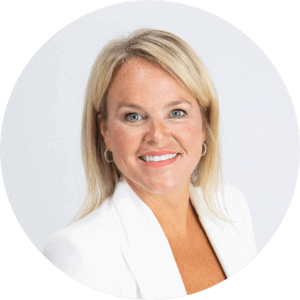
Meet Our Eating Disorder Therapy Team
Our licensed therapists support children ages 5 to 12 who are dealing with eating-related challenges, body image concerns, and emotional stress around food. Each session is developmentally appropriate and focused on helping children feel safe, understood, and capable of change. Using age-appropriate techniques, we build emotional insight and coping skills that support healthier eating patterns and daily well-being.



What the Treatment Program Actually Includes
Treatment may include cognitive behavioral therapy, acceptance and commitment therapy (ACT), and structured individual therapy sessions that address the specific eating disorder symptoms your child is experiencing. For children with binge eating disorder, therapy helps identify triggers, reduce binge eating episodes, and manage emotional distress without turning to food. For others, it may focus on eliminating purging behaviors or building tolerance around weight gain.
When necessary, we coordinate with referring physicians or medical specialists for partial hospitalization or medical oversight as part of a comprehensive disorder treatment approach.
We Help Children Rebuild Trust With Their Bodies
Children struggling with disordered eating often lose confidence in their own hunger cues, emotions, and sense of control. Therapy helps them reconnect with their body in a way that feels safe and manageable. Whether they’re skipping meals, hiding food, or expressing fear about weight, we create space to process those feelings without shame or pressure. Progress looks different for every child—but the first step is feeling understood, not judged.


What Progress Looks Like Beyond the Scale
Progress includes improved eating patterns, better emotional regulation, and reduced anxiety around food. A child who once avoided meals may begin to eat with the family again. Another may stop hiding or discarding food, show fewer obsessive behaviors, or express less fear of gaining weight. These changes often start small—taking a snack without prompting, staying at the table, or expressing hunger without panic.
Therapists track shifts in behavior, language, and physical health in coordination with the child’s medical team. We monitor for signs like low blood pressure, restricted food intake, and obsessive-compulsive patterns that may signal deeper mental health concerns. While we are not a children’s hospital, our therapy helps prevent the need for inpatient care through early, consistent intervention.
FAQs About Children’s Therapy for
Eating Disorders
Does my child need to be underweight to have an eating disorder?
No. Many children with eating disorders maintain normal weight. That doesn’t mean their behaviors are healthy. Eating disorders are defined by patterns—skipping meals, obsessing over food, purging, or hiding eating—that disrupt physical and mental wellbeing. A child may appear fine physically while still showing serious psychological and behavioral distress.
How we define the problem shapes how we treat it. If a child is diagnosed with ODD, we focus on behavior management, impulse control, and family-based strategies like parent management training. If we’re looking at DMDD or another mood-related diagnosis, we bring in emotion-focused tools like dialectical behavior therapy and structured coping work.
What if my child is trying to lose weight and it seems like they’re being “healthy”?
Intent matters. When a child focuses intensely on dieting, avoids family meals, or expresses fear about food, it often signals deeper problems. Even if weight loss starts in the name of “health,” it can lead to restricted eating, obsessive compulsive disorder symptoms, and eventually more dangerous behaviors. If your child’s eating habits shift sharply, it’s time to take a closer look.
How do you determine if my child meets the criteria for an eating disorder?
Do you treat young adults with eating disorders too?
Yes. While our main focus is on children and adolescents, we also treat young adults when clinically appropriate—especially those transitioning from pediatric to adult care. Treatment plans are adapted to age, maturity, and level of independence. Many older teens benefit from continued therapeutic support as they move into college, work, or adult responsibilities.
Where can I find trusted information about eating disorders outside of therapy?
We recommend resources from the National Eating Disorders Association (NEDA) for families who want to better understand what their child is experiencing. Their materials cover eating disorder symptoms, treatment options, and support tools for parents. While our eating disorder program is individualized and therapist-led, outside education can help families feel more confident and informed throughout recovery.
What are the warning signs of severe weight loss or physical risk?
Signs may include fatigue, low energy, feeling cold, dizziness, or fainting. A sudden drop in weight, obsessive tracking of calories, or avoidance of entire food groups are also red flags. These signs often accompany emotional withdrawal or dramatic changes in the child’s eating habits. If you notice these changes, seek help immediately—early intervention can prevent long-term complications.
Ready to Take the Next Step?
Your child’s challenges are real—and so is the path forward. Whether it’s focus, behavior, or emotional regulation, early support can make a measurable difference in your child’s mental health and your family’s day-to-day life. We’re here to help you build a plan that works.

Contact us
For more information about our systems and services, contact Healing Psychiatry of Florida.
Healing Psychiatry of Florida
108 W Citrus St, Altamonte Springs, FL 32714
help@healingpsychiatryflorida.com
Opening Hours
Monday – Thursday: 8AM – 7PM
Friday: 8AM – 5PM
Saturday: Closed
Sunday: Closed
OCD Therapy Altamonte Springs, FL