Children’s Therapy for Addiction
Evidence-Based Treatment for Addiction in Children and Teens—Supporting Emotional Health, Family Stability, and Lasting Behavioral Change.
Addiction doesn’t always look like drug abuse or obvious risk-taking. In younger children and older children, it may appear as sudden isolation, emotional health concerns, or behavior tied to substance use, screens, or avoidance. Parents may notice changes in their child’s physical energy, mood swings, or signs of drug or alcohol use. In some cases, the issue includes smoking marijuana, early substance misuse, or emotional withdrawal linked to trauma or mental disorders. Left untreated, these patterns can deeply affect family members, disrupt daily life, and increase the risk of long-term addiction.
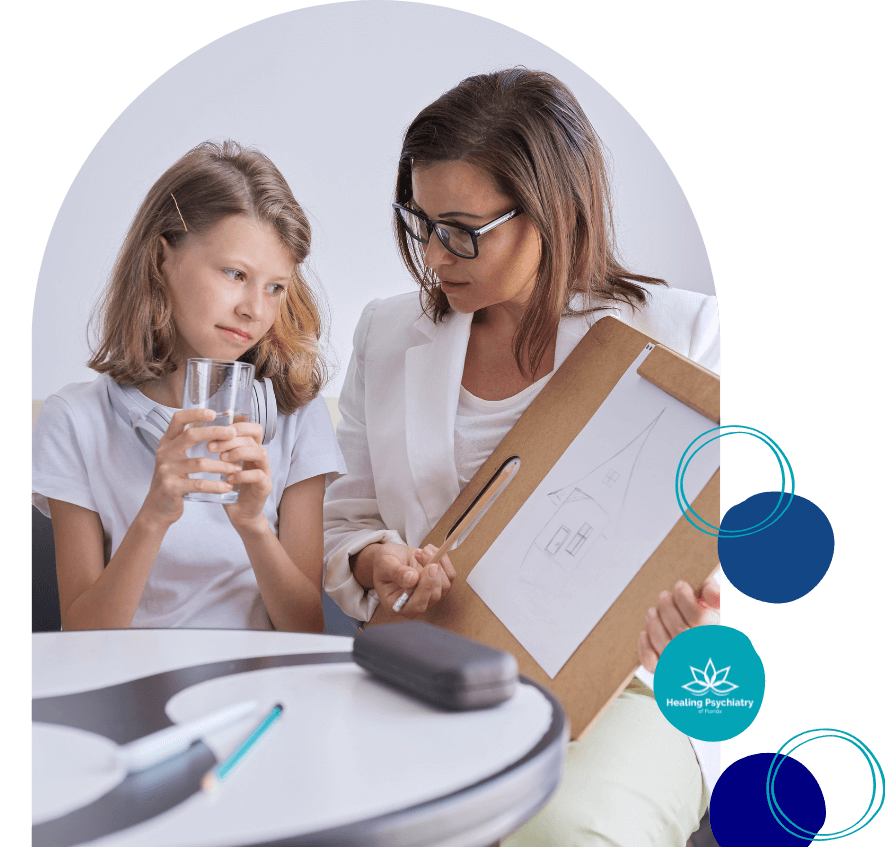
At Healing Psychiatry of Florida, our children’s therapy for addiction addresses the full picture—substance abuse, emotional regulation, relationship dynamics, and the recovery process. We provide mental health services rooted in science and compassion.

Start Your Session Today
What Children’s Therapy for Addiction Focuses On
Children’s therapy for addiction helps address emotional patterns and behaviors that escalate into compulsive use—of substances, screens, or devices. These patterns often develop in response to stress, trauma, or unmet emotional needs. They may lead to mental health issues, withdrawal, or problems with school and other activities. Whether your child is facing substance use disorder, addiction, or early signs of drug addiction, we provide the tools to interrupt those cycles with structure, trust, and proven clinical methods.
Substance Abuse and Early Drug or Alcohol Use
For some children, substance abuse begins with curiosity—but quickly becomes emotional coping. We’ve seen cases of early drug or alcohol use, other drugs, or smoking marijuana used to manage anxiety, escape conflict, or overcome peer pressure. These behaviors mask mental disorders, emotional dysregulation, or unresolved trauma. Therapy helps children begin to understand how substances affect their choices, relationships, and physical well-being, while restoring structure through therapeutic boundaries and treatment approaches supported by research.
Behavioral Dependency on Screens and Devices
Though it doesn’t involve drugs or alcohol, dependency on digital tools can still be addictive. Children may avoid family, school, or community to stay online. These behaviors may signal stress, impulsivity, or unmet emotional needs—not laziness or rebellion. Our therapy focuses on building communication skills, coping skills, and everything else that restores structure and safety without shaming or punishment. Sessions help children, youth, and parents reconnect and rebuild trust.
Repetitive Behaviors That Mask Emotional Dependency
Not all addiction in children involves substances or screens. Some kids engage in ritualized behaviors—organizing, repeating actions, or obsessively fixating on routines or rewards. These patterns may look harmless, but for many children, they serve as a coping method for deeper discomfort or loss of control. These cycles can grow more rigid over time, interfering with social connection, flexibility, and emotional development. In therapy, we help the child explore what’s behind these habits and build new tools for emotional safety without relying on repetition or ritual.
Insurances Accepted








See what others are saying about Healing Psychiatry of Florida
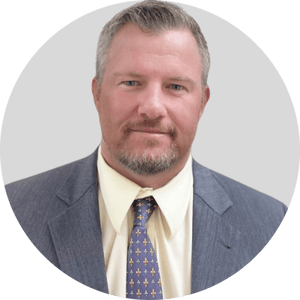
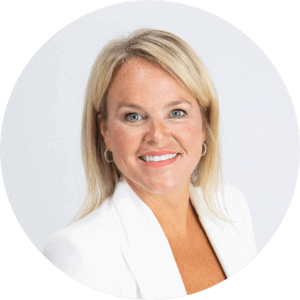
Meet Our Addiction Therapy Team
Our licensed child therapists offer mental health services that treat addiction-related behavior in kids and youth. From early signs of substance misuse to digital overdependence or emotional control cycles, we support each child with age-appropriate, trauma-informed care. With training in addiction treatment, behavioral therapy, and emotional development, our team works to shift patterns before they harden. Whether supporting younger children or older children, we’re here to guide recovery with evidence-based insight and steady support.

For Children Who Feel Trapped in Negative Thought Loops
Some children facing addiction show signs of rigid thinking—like believing they can’t function without a substance, game, or device. They may withdraw, spiral into shame, or resist even small changes. Our therapists use cognitive behavioral therapy to help these children challenge distorted beliefs and replace them with more flexible thinking. With structure, encouragement, and coping skills, they start to see choice where there used to be compulsion.
Kids Reacting to Trauma With Addiction-Like Behavior
When a child has experienced trauma, addiction can become a form of self-soothing. We see this in kids who feel easily overwhelmed, shut down emotionally, or lash out when they’re asked to disconnect from a behavior. Therapists may draw from post traumatic stress disorder models like DBT, TF-CBT, and ACT to support grounding, safety, and emotional clarity. This work helps the child gain real tools for regulation and opens a sustainable path to recovery.


Children Struggling With Impulse and Control
Some children have trouble stopping once they start. This might look like binge behaviors, repeated lying, or resistance to all forms of structure. For these children, therapy emphasizes individual support, behavioral planning, and substance use treatment techniques that help them slow down, reflect, and try again. These sessions prioritize consistency, safety, and internal motivation—especially when the child is caught in a repeating loop of substance use or emotional dependency.
FAQs for Our Children’s Addiction Therapy
What mental health services are available for children struggling with addiction?
We provide trauma-informed, evidence-based mental health services for children and teens showing signs of addiction, compulsive behavior, or emotional withdrawal. Our licensed therapists use child-appropriate interventions to address the behavior and the emotional needs beneath it. Services include talk-based and play-based therapy designed to interrupt harmful cycles and support recovery—while helping children rebuild stability and internal motivation.
How do therapy sessions involve family members in the recovery process?
While therapy is focused on the child, we work closely with family members to support consistent routines, structure, and emotional safety at home. Children struggling with substance use or compulsive behaviors often benefit from predictable environments and relational repair. Therapists may offer feedback to help caregivers understand behavior patterns and reinforce healthy shifts between sessions.
How does therapy address substance use disorder in teens?
What kind of addiction treatment do you offer for kids?
Our addiction treatment is rooted in behavioral and emotional therapies—not medical detox. We work with children to break the patterns that reinforce dependency, whether on substances, screens, or behaviors. Each treatment plan is age-appropriate and focused on supporting the child’s recovery program through weekly sessions, skill-building, and compassionate consistency.
How do parenting skills and communication strategies support a child’s progress?
Children in therapy benefit when parenting skills and communication routines stay steady at home. We help caregivers support therapeutic progress by setting clear expectations, following through with structure, and using calm responses during conflict. These changes reinforce the child’s internal shift and lead to improved health—emotionally and behaviorally.
What kind of long-term support or resources are available?
Our goal is comprehensive care—not a quick fix. We help children build emotional insight, behavioral tools, and self-trust that carry into adolescence. As part of this, we connect families to age-appropriate resources, work with trusted providers, and help the child find hope and identity outside of addictive patterns. Research shows that consistent therapeutic support improves outcomes for patients, especially when addressed early.
Ready to Take the Next Step?
Your child’s challenges are real—and so is the path forward. Whether it’s focus, behavior, or emotional regulation, early support can make a measurable difference in your child’s mental health and your family’s day-to-day life. We’re here to help you build a plan that works.

Contact us
For more information about our systems and services, contact Healing Psychiatry of Florida.
Healing Psychiatry of Florida
108 W Citrus St, Altamonte Springs, FL 32714
help@healingpsychiatryflorida.com
Opening Hours
Monday – Thursday: 8AM – 7PM
Friday: 8AM – 5PM
Saturday: Closed
Sunday: Closed
OCD Therapy Altamonte Springs, FL