Adolescents’s Therapy for Depression Maitland
Depression in adolescent can look different—some withdraw, others act out. If changes in sleep, energy, appetite, or motivation persist, it may be time to seek help.
At Healing Psychiatry of Florida, we offer therapy for adolescent’s depression in Maitland, tailored to their developmental needs. Whether mild depression or major depressive disorder, we create personalized treatment plans using cognitive behavioral therapy, interpersonal therapy, or family therapy. For severe cases, our psychiatry team may consider additional treatments like SSRIs.
Our focus is to provide effective depression treatment for your adolescent and family. If you notice changes in your adolescent’s mood or behavior, it’s time to act.

Start Your Session Today
What Depression Looks Like in Adolescents
Depression in adolescent rarely looks like sadness alone. It shows up as irritability, withdrawal, anger, or changes in sleep, appetite, or energy. Many parents don’t realize what they’re seeing is depression—especially when symptoms look more like behavior problems or fatigue. The causes are rarely simple, and the signs are easy to miss. What matters most is paying attention to the patterns that disrupt a adolescent’s life, relationships, or overall mood. Here’s what usually contributes.
Disconnection at Home—Even in Caring Families
Young adolescent depend on emotional closeness to feel safe. When a home environment becomes tense, inconsistent, or emotionally distant—because of stress, conflict, or even logistical overwhelm—adolescent internalize those signals as personal. Without intending to, parents might miss signs of sadness, withdrawal, or irritability. These aren’t signs of defiance—they’re often early signs of adolescenthood depression or emotional overload.
Life Events That Outpace Coping
Adolescents are constantly trying to make sense of their world, and when big things happen—moving, divorce, illness in the family, death of a grandparent—they may not have the words to process it. That doesn’t mean it’s not affecting them. Changes in sleep patterns, appetite, behavior, or energy are often how younger adolescent show distress. Left unaddressed, these disruptions lead to clinical depression or longer-term emotional setbacks.
When Physical Symptoms Show Up First
Unlike adults, adolescent often show emotional pain through physical complaints. Headaches, trouble sleeping, stomach aches, or sudden fatigue may be early signs of major depression, not just physical issues. Adolescents may not say they feel sad—but their bodies often speak first.
At Healing Psychiatry of Florida in Maitland, our therapists specialize in adolescent’s mental health and provide care that meets each adolescent’s needs. If your adolescent is showing signs of depression, acting withdrawn, or struggling emotionally, reaching out now can make all the difference. We’re here to listen—and to help.
See what others are saying about Healing Psychiatry of Florida


Meet Our Depression Therapy Psychiatrists in Maitland
Our team in Maitland works with adolescent facing emotional struggles like sadness, irritability, or isolation. We understand that kids may not open up right away, so we use developmentally appropriate methods—like conversation, play, and creative expression—to help them feel understood.
We also collaborate with parents, teachers, and healthcare providers to ensure progress continues beyond sessions. Whether your adolescent has mild symptoms or more severe depression, our goal is to create lasting change in their daily life.


For Kids Who Shut Down, Withdraw, or Seem “Flat”
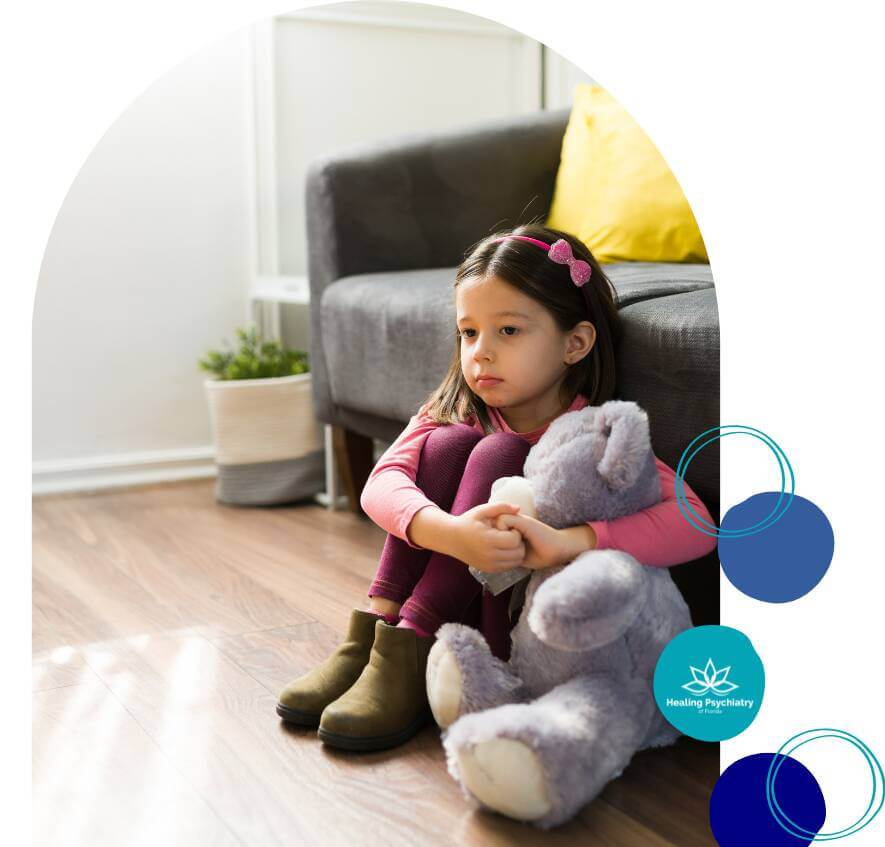
Some adolescent stop engaging. They lose interest in play, pull away from friends, or seem emotionally muted. Parents often describe it as “the light going out.” For these adolescent, cognitive behavioral therapy is often the best starting point. It helps them reconnect thoughts, feelings, and behavior—and begin to shift out of the mental loops that keep them stuck.
Being heard is a powerful part of healing. For adolescent, knowing that someone is truly listening without judgment builds trust and confidence. Our Depression therapy in Maitland gives kids that support, while also giving parents the tools to understand and respond more effectively at home.
For Kids Struggling with Connection, Conflict, or Emotional Closeness
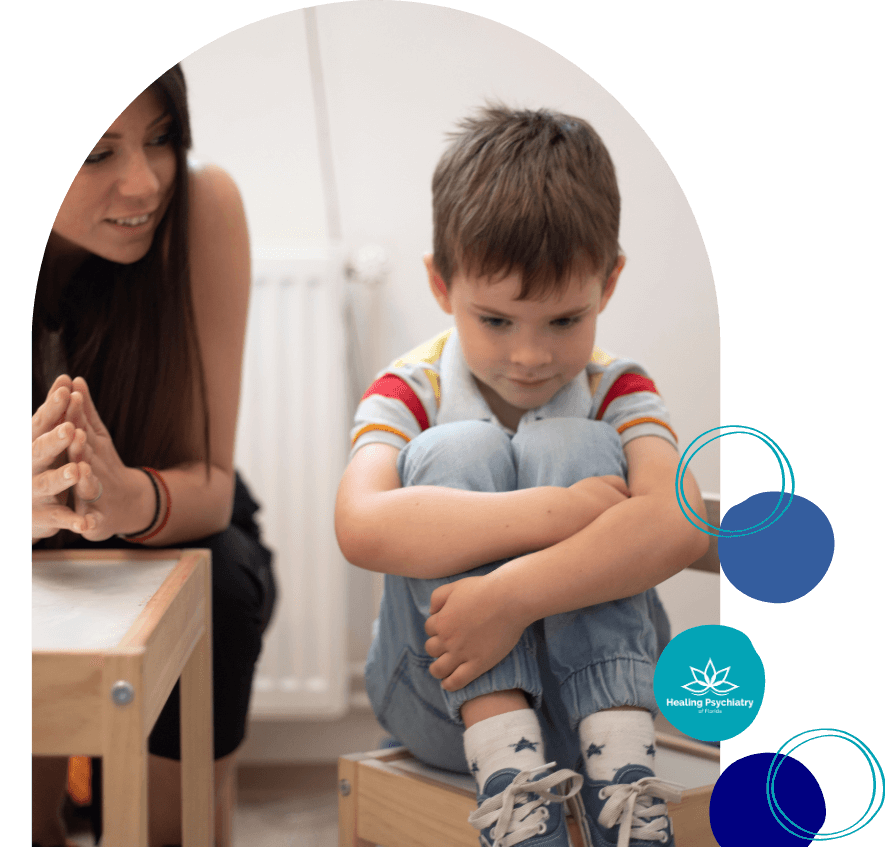
When depression is tied to problematic relationships or emotional tension at home, therapy needs to focus on communication and connection. We use interpersonal psychotherapy and family therapy to help adolescent name what they feel, strengthen bonds, and build healthier patterns inside their closest relationships.
Early treatment for depression can change the course of a adolescent’s life. Without it, symptoms may worsen and affect school, friendships, and self-esteem. Through one-on-one sessions, licensed therapists in Maitland guide adolescent in understanding their thoughts and behaviors, helping them regain a sense of control.
For Kids Overwhelmed by Intensity or Big Mood Swings
Depression often clouds your outlook on life, making everything seem bleak or hopeless.
Some adolescent don’t just feel down—they spiral. Their moods swing fast. They’re quick to anger, easily frustrated, or constantly overwhelmed. In these cases, we may use parts of dialectical behavior therapy, an approach that teaches emotional regulation, distress tolerance, and coping strategies that actually work in the moment.
Adolescents’s depression therapy in Maitland provides a safe space for young individuals to express what they’re feeling—often for the first time. Many kids struggle to find the words for sadness, hopelessness, or anger. Therapy helps them build emotional awareness and learn that it’s okay to ask for help.

Adolescents’s Therapy for Depression
in Maitland
FAQs
How do I know if my adolescent’s depression is clinical or just a passing phase?
Adolescents go through emotional ups and downs, but when a low mood affects their sleep, behavior, relationships, or motivation for more than one to two weeks, it may point to clinical depression. A full evaluation helps clarify the severity, whether it’s mild or part of a depressive disorder, and what level of care is appropriate.
Do you treat depression alongside other psychiatric disorders like anxiety or bipolar disorder?
Yes. Many adolescent with depression also show signs of bipolar disorder, anxiety, or other psychiatric disorders. Our team is trained to recognize overlapping symptoms and design a treatment plan that addresses multiple layers—not just a single diagnosis.
What if my adolescent has already tried talk therapy and it didn’t help?
Not all therapies are the same. We use evidence based psychosocial treatments, including options beyond talk therapy, such as structured CBT, interpersonal therapy, and parent-adolescent models. If previous care didn’t create meaningful progress, we reevaluate the approach—not the adolescent.
When are medications or SSRIs considered?
Antidepressant medication, including fluoxetine treatment, may be considered if symptoms are severe, persistent, or unresponsive to therapy alone. Our team follows guidelines from the American Psychiatric Association and the National Institute of Mental Health. If medication is appropriate, we monitor progress closely and coordinate with your healthcare provider.
Do you work with younger adolescent, or only older kids?
We treat adolescent of all ages, from younger kids to school-age kids. While depression in adolescent can look different from how it shows up in teens, early support can prevent long-term effects. Therapy is adapted to the adolescent’s age, communication style, and developmental stage.
How involved will I be in my adolescent’s treatment?
We believe in involving parents from the very beginning. You’ll receive regular updates, clear strategies for home, and guidance to help reinforce progress outside of sessions. We also work with other caregivers and schools when needed to ensure consistent support across your adolescent’s environment.

Contact us
For more information about our systems and services, contact Healing Psychiatry of Florida.
Healing Psychiatry of Florida
Altamonte Springs
Lake Baldwin
Altamonte Springs
108 W Citrus St.
Altamonte Springs, FL 32714
Monday – Thursday: 8:00 AM – 6:00 PM
Friday: 8:00 AM – 5:00 PM
Saturday & Sunday: Closed
Lake Baldwin
3203 Lawton Rd. Suite 140
Orlando, FL 32803
Monday – Thursday: 8:00 AM – 6:00 PM
Friday: 8:00 AM – 5:00 PM
Saturday & Sunday: Closed